

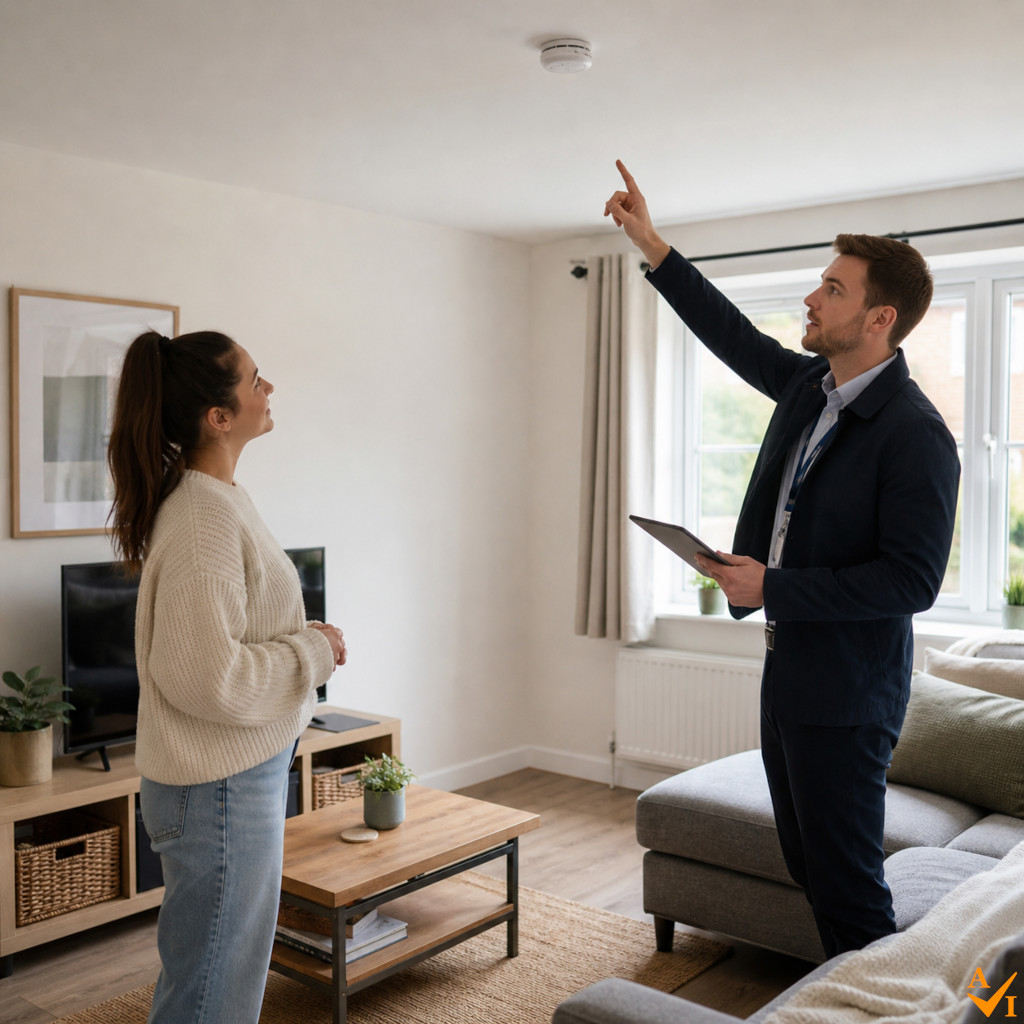
For landlords, regular property inspections are not just a routine task—they’re a cornerstone of responsible letting. These inspections keep you informed about the condition of your rental, ensure tenants are fulfilling their obligations, and help nip minor issues in the bud before they escalate.
What Are Routine Inspections?
These planned visits allow you to check the property’s condition inside and out. But they’re not just about spotting faults. Inspections are an opportunity to maintain open communication with tenants, show you care about the property, and reinforce expectations.
Why They’re Important
Inspections help identify maintenance problems early, like leaks, damp, or general wear and tear. They can also highlight breaches of the tenancy agreement, such as unauthorised pets or subletting. Addressing these promptly protects your investment and reduces the risk of costly repairs later on.
How Often Should You Inspect?
A common approach is to conduct an inspection every three to six months. Always provide tenants with the required notice—typically at least 24 hours in writing—and be respectful of their space.
What to Look For
During your visit, check key areas such as plumbing, heating, windows, locks, and smoke alarms. Look for signs of damage, cleanliness, and overall upkeep. Take notes and, if needed, follow up in writing with any concerns or actions required.
Maintaining a Positive Relationship
Inspections shouldn’t feel intrusive. Approach them with a friendly, professional attitude. Most tenants appreciate a landlord who’s proactive and responsive—just make sure to balance vigilance with respect for their privacy.
Routine inspections are more than just ticking a box—they’re essential for maintaining standards, preventing problems, and keeping your property in top condition. If you’re looking for assistance with managing your property, why not reach out to us at Sawyer & Co? We’re here to help you every step of the way.